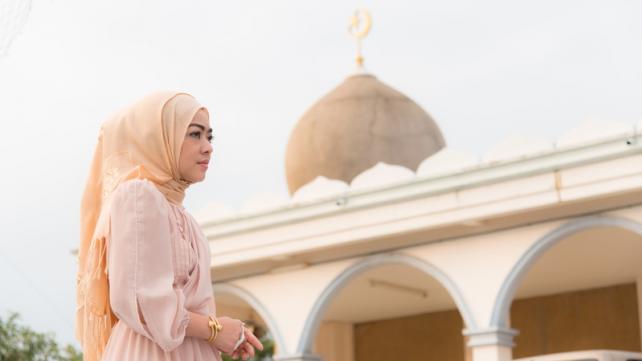
It had been ten years since she had set foot in a mosque. Being at university had broadened her mind in many ways, one of them being her reconnecting with Islam.
She had begun praying five times a day a month ago, and now felt ready to pray in public, at the university's Juma prayer.
Hijab is fundamentally part of worship but, right or wrong, it has become a political statement as well. We may only be expressing our commitment to our Deen (religion) but Hijab is seen to symbolize a rejection of the West.
Cases of Hijab discrimination against Muslim girls and women in Canada and the United States are not uncommon. However, there are measures sisters can take in both countries to fight against such intolerance.
The Muslim community must become more proactive in educating Quebec society about its beliefs and practices. It must also put aside differences for the common good of the community. It must be ready to defend its rights by using the appropriate channels readily available.
Muslim women have strong opinions about wearing hijab and about a recent law in Canada, Bill 21, that bans the headscarf for state employees in positions of authority
The discussion at the Islam Awareness Week exhibition started out nicely enough. We talked about women's rights, domestic violence, sexual abuse, heavy, heavy issues. It was interesting, she was a feminist, and I, a Muslim woman. But we connected.
How can Muslim activists make their organizations and communities places where the teachings of Islam are upheld, but Muslims, men and women, are not excluded? Where Hijab does not become a flash point? Below are some tips.